
Introduction
Explore Online Reputation Management with Rapid URL Indexer in our strategic guide. Learn how to enhance your brand’s visibility, & manage feedback, In today’s digital world, how people see you online can make a big difference. Whether you are a person, a small business, or a big company, having a good online reputation is important. This is where online reputation management (ORM) comes in. ORM is all about monitoring what people say about you or your brand online and making sure that the best information is what people see first.
One tool that can help with this is called Rapid URL Indexer. It speeds up how quickly search engines find and show your content. By using Rapid URL Indexer, you can get good news and positive stories about you or your brand in front of people faster. This way, if there is any negative information out there, it can be pushed down, making it less likely for people to see it.
In this article, we will explore what ORM tools are, how to manage your online reputation effectively, and how Rapid URL Indexer can help you connect your online presence with search engine optimization (SEO). Let’s dive into the world of online reputation management and discover how you can shine online!
1. What is an Online Reputation Management Tool?
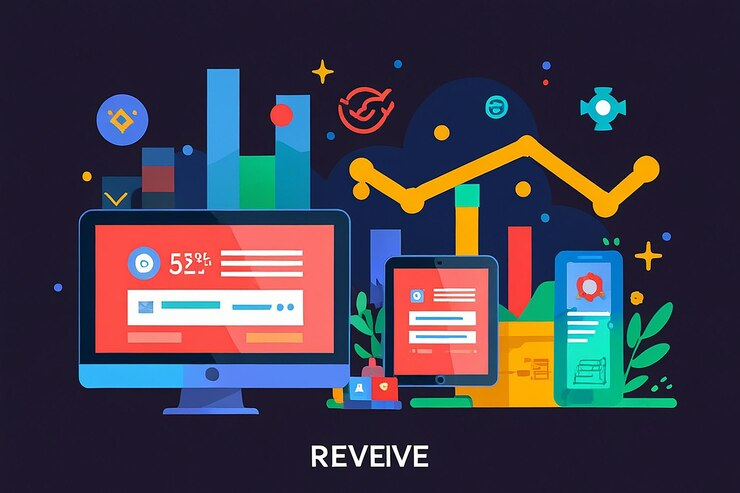
An online reputation management tool is a software or service designed to help individuals and businesses control what information about them is available online. Think of it as a digital shield that protects your image on the internet. These tools work by monitoring your online presence, collecting data about what people are saying, and helping you manage your brand’s visibility.
The primary functions of ORM tools include tracking mentions of your name or brand across various platforms, analyzing reviews, and providing insights into how your audience perceives you. By doing so, they allow you to respond proactively to negative feedback and promote positive content. This is crucial because, in the digital age, people often turn to search engines to learn more about a person or a business before making a decision.
One of the standout features of ORM tools is their ability to help you identify and highlight the best content available about you. This could include positive customer testimonials, successful projects, media mentions, or even your social media posts that reflect positively on your brand. Rapid URL Indexer is an excellent example of such a tool. It enhances your online reputation by accelerating the indexing of your positive content, ensuring that it appears quickly in search results. This is particularly important in a world where consumers are inundated with information and are often influenced by what they see online.
Using Rapid URL Indexer, you can quickly submit URLs containing your best content to search engines. This means that instead of negative reviews or unfavorable articles appearing at the top of search results, potential customers will see the positive stories first. This shift in visibility can significantly influence their perception of you or your brand, leading to increased trust and more opportunities for engagement.
2. How Do You Manage Your Online Reputation?

Managing your online reputation may seem overwhelming at first, but it can be broken down into manageable steps. Here’s a guide to help you navigate the process effectively:
- Identify Positive Content: The first step in managing your online reputation is to gather the best stories, testimonials, and articles that portray you or your brand positively. This could be anything from customer reviews praising your service to articles highlighting your achievements. Conduct regular searches of your name or brand online to see what’s being said.
- Use Rapid URL Indexer: Once you’ve identified the positive content, the next step is to use Rapid URL Indexer. This tool helps you quickly submit those URLs to search engines, allowing your good news to be indexed faster. This is particularly useful for pushing down negative content, as the positive stories will have a better chance of appearing higher in search results.
- Monitor Your Online Presence: Keeping track of what people are saying about you is crucial. Use ORM tools to monitor mentions, reviews, and comments. Set up Google Alerts or use social media monitoring tools to receive notifications when your name or brand is mentioned online. If you spot any negative feedback, address it promptly and professionally.
- Engage with Your Audience: Building a positive online reputation isn’t just about pushing down negative content; it’s also about engaging with your audience. Respond to comments, answer questions, and show appreciation for positive feedback. This interaction helps build trust and can create loyal customers who advocate for your brand.
- Create Quality Content: Regularly producing high-quality, relevant content related to your brand can help improve your online presence. This content could be blog posts, videos, or social media updates that reflect your brand’s values and achievements. Use keywords effectively to ensure that your content is easily discoverable online.
By following these steps, you can effectively manage your online reputation. Remember, the key is to be proactive. Consistently promoting positive content and engaging with your audience will help create a strong online image that reflects your true value.
3. How Are Online Reputation Management and SEO Connected?

Online reputation management (ORM) and search engine optimization (SEO) are two important strategies that work hand in hand. While ORM focuses on managing how people perceive you or your brand online, SEO is all about improving your visibility on search engines like Google. Understanding their connection can help you create a comprehensive strategy for maintaining a positive online presence.
ORM is concerned with the overall perception of your brand. It involves monitoring your online mentions, addressing negative comments, and promoting positive content. On the other hand, SEO aims to enhance your website’s visibility in search results, making it easier for people to find you online. When someone searches for your name or brand, you want the top results to reflect positively on you.
The connection between ORM and SEO lies in how search engines rank content. Search engines prioritize relevant, high-quality content that matches user queries. By focusing on your online reputation and ensuring that positive content is easily discoverable, you improve your chances of appearing at the top of search results. Rapid URL Indexer plays a vital role here by speeding up the indexing of your positive content. This means that your good reviews, testimonials, and success stories can be shown to potential customers more quickly.
When you effectively manage your online reputation and integrate SEO strategies, you can control what information appears in search results. For instance, if a negative review pops up, you can use Rapid URL Indexer to promote positive content that will push that negative review down. Additionally, using relevant keywords in your content helps search engines understand what your brand stands for, further enhancing your online visibility.
In summary, ORM and SEO are interconnected strategies that, when combined, can significantly improve how people perceive you online. By managing your reputation and optimizing your content for search engines, you create a robust online presence that attracts positive attention and builds trust with your audience.
4. What Do You Mean by Online Reputation Marketing?

Online reputation marketing is the process of promoting and enhancing the positive aspects of your brand or personal identity on the internet. It goes beyond just managing your online presence; it focuses on actively telling your story and showcasing the best parts of your brand. This can include sharing success stories, positive customer reviews, and any achievements that highlight your strengths.
The key goal of online reputation marketing is to create a strong, positive image that resonates with your audience. It’s about building trust and credibility, which can lead to increased customer loyalty and new business opportunities. In today’s digital age, consumers often research a brand before making a purchase. By promoting your positive attributes, you can influence their decision-making process.
Using tools like Rapid URL Indexer can significantly enhance your reputation marketing efforts. This tool allows you to quickly submit and index positive content, ensuring that it appears prominently in search results. For example, if a customer leaves a glowing review about your service, you can use Rapid URL Indexer to ensure that this review is easily accessible to potential customers searching for your brand.
Online reputation marketing also involves creating and sharing high-quality content that reflects your brand’s values. This could be blog posts, videos, social media updates, or case studies showcasing your work. By regularly producing relevant content, you engage your audience and keep them informed about your brand’s accomplishments.
Moreover, online reputation marketing is about storytelling. Share your journey, values, and mission with your audience. Use testimonials and case studies to illustrate how your product or service has positively impacted customers. This storytelling approach helps humanize your brand and builds a deeper connection with your audience.
In conclusion, online reputation marketing is an essential part of managing your brand’s image in the digital world. By actively promoting your positive qualities and using tools like Rapid URL Indexer, you can create a compelling online presence that attracts customers and builds trust.
5. Advanced ORM with Analytics
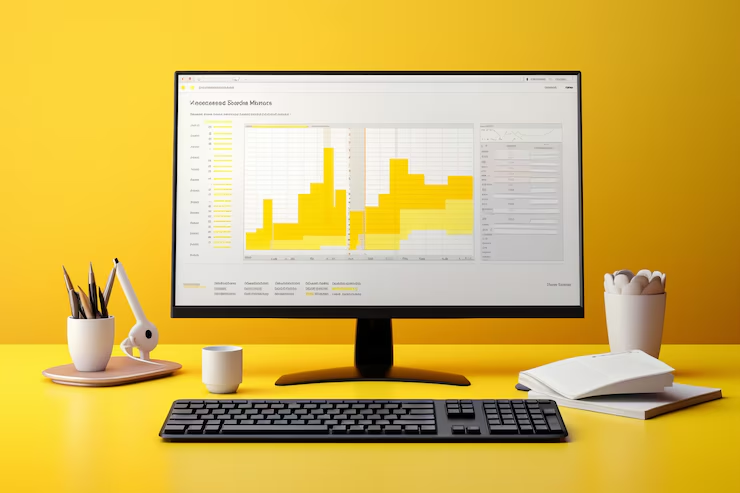
In the realm of online reputation management (ORM), leveraging analytics is crucial for long-term success. Analytics provides you with valuable insights into how your content is performing, helping you understand what works and what doesn’t. This information allows you to refine your ORM strategies, ensuring that you effectively promote positive content while addressing any negative aspects.
Conclusion
In conclusion, managing your online reputation is crucial in today’s digital world. Tools like Rapid URL Indexer can help you speed up the process of getting positive content seen by search engines, pushing down any negative information. By understanding how to manage your online reputation, the connection between ORM and SEO, and using effective marketing strategies, you can create a strong and positive online presence. Remember, the goal is to let the world see the best version of you or your brand, and with the right tools and strategies, you can achieve just that!


